- Home
- Injection moulding processes
- combimelt
Multi-component injection moulding for more function in the part
Combine plastics cleverly with ENGEL combimelt and reduce manufacturing effort
With multi-component injection moulding, you combine materials, colours and functions in one part ready for series production. Integrated seals or grip areas can replace individual parts and downstream assembly steps. We tailor machine, automation and process to your application and support you from initial trials through to the production cell. The result is a solution that balances both product value and cost-effectiveness.
Advantages of multi-component injection moulding with ENGEL: Higher product value, less effort
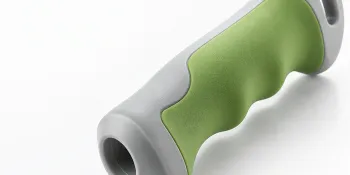
With assembly injection moulding, seals, grip areas or other functions can be created directly in the mould. This can reduce individual parts, joining processes and inspection steps – and thus lower the overall cost of the finished part.
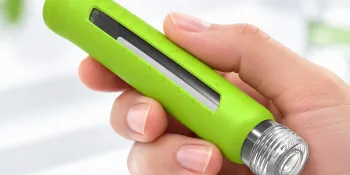
Multi-component injection moulding combines colours, materials and haptics with functions in the part. This creates properties that customers can see or feel and that set the product apart from the competition.
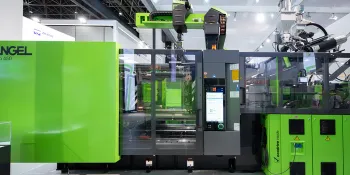
When shaping and further work steps come together in one production cell, fewer handovers and intermediate storage are needed. This can shorten throughput times and save space and effort for subsequent processes.
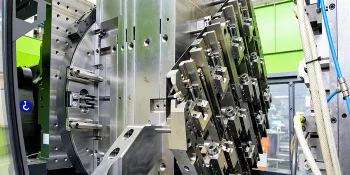
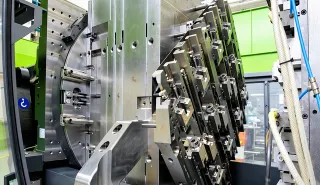
Rotary table, index plate, turning plate, transfer technology or core-pull offer different options in multi-component technology for the same product requirement. We select the machine and mould concept to suit quantity, cycle time and flexibility requirements, so that no more technology than makes economic sense, is used.
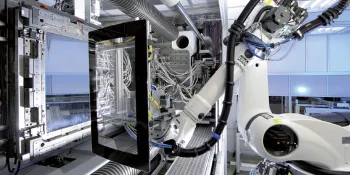
Our multi-component technology combines machine, automation and process into a coordinated manufacturing solution. For example, injection, turning of the mould and part removal interlock. This simplifies the coordination of sequences during commissioning and creates a basis for a smooth production ramp-up.
Advantages of multi-component injection moulding with ENGEL: Higher product value, less effort
Fewer individual parts, lower cost per part
With assembly injection moulding, seals, grip areas or other functions can be created directly in the mould. This can reduce individual parts, joining processes and inspection steps – and thus lower the overall cost of the finished part.
More product value that is visible and tangible
Multi-component injection moulding combines colours, materials and haptics with functions in the part. This creates properties that customers can see or feel and that set the product apart from the competition.
Fewer process steps to the finished part
When shaping and further work steps come together in one production cell, fewer handovers and intermediate storage are needed. This can shorten throughput times and save space and effort for subsequent processes.
The right performance without unnecessary investment
Rotary table, index plate, turning plate, transfer technology or core-pull offer different options in multi-component technology for the same product requirement. We select the machine and mould concept to suit quantity, cycle time and flexibility requirements, so that no more technology than makes economic sense, is used.
Lean production ramp-up with reduced interfaces
Our multi-component technology combines machine, automation and process into a coordinated manufacturing solution. For example, injection, turning of the mould and part removal interlock. This simplifies the coordination of sequences during commissioning and creates a basis for a smooth production ramp-up.
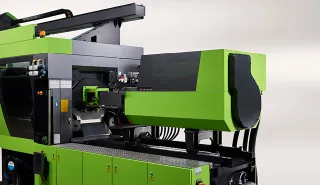
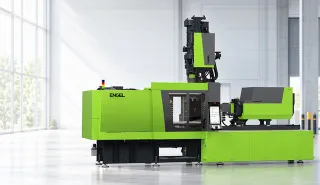
The e-mac is an example of ENGEL combimelt
combi machines for cost-effective multi-component injection moulding
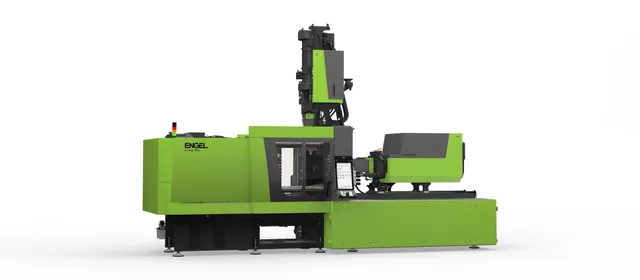


An integrated seal or a moulded-on grip area replaces separate assembly steps and saves space and handling effort. Our experts will examine your part and show you where multi-component injection moulding has the greatest leverage.
Application examples of multi-component injection moulding
Several materials and colours in one part: See for yourself what our multi-component technology can do.
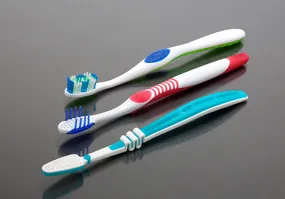

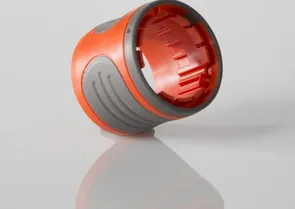

Hard-soft combination for a non-slip grip by 2K injection moulding
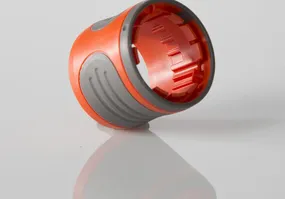
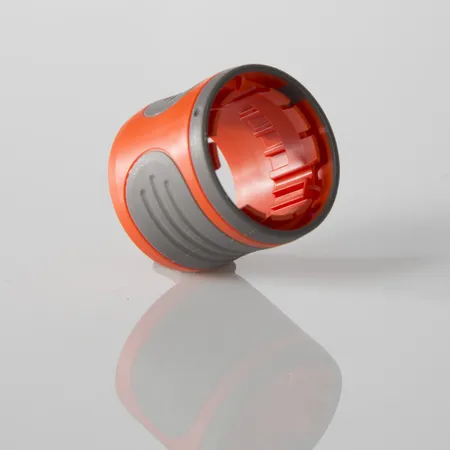
Plastic sleeve of a hose coupling
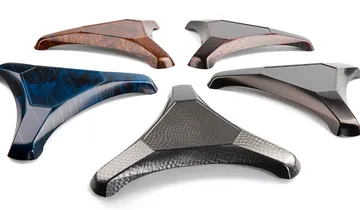
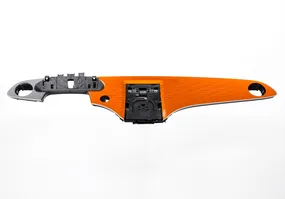
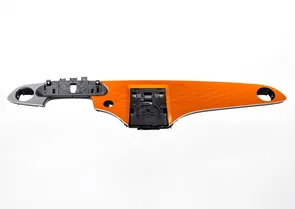
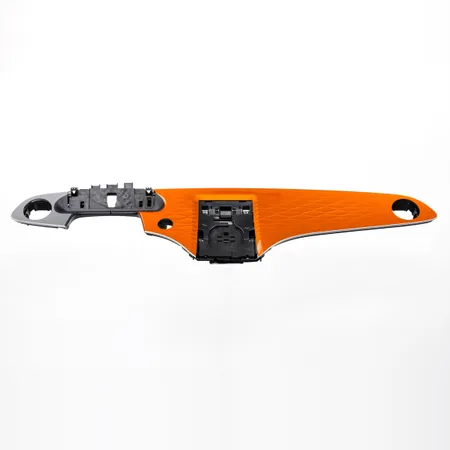
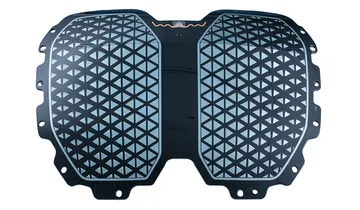
Automotive interior dashboard with glossy surface
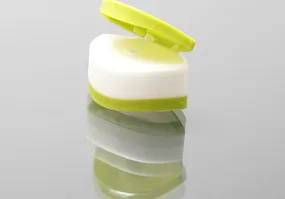
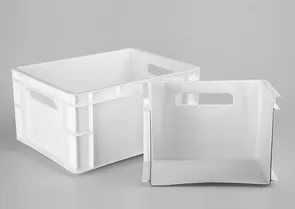
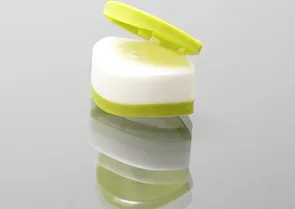
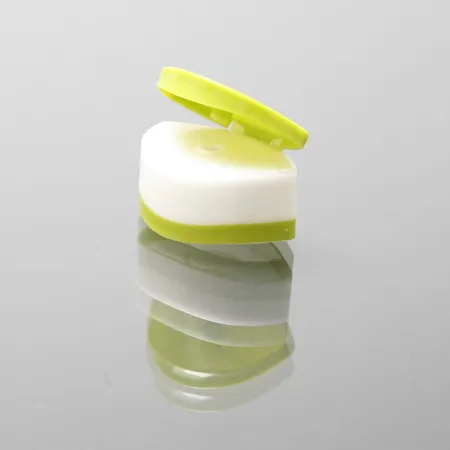
Two-colour hinged closure by multi-colour injection moulding
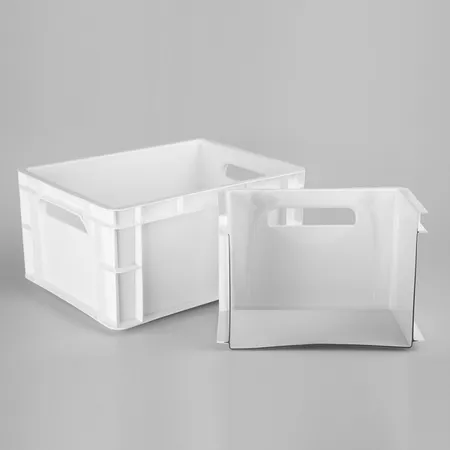
Optimise material usage and costs thanks to 2K injection moulding
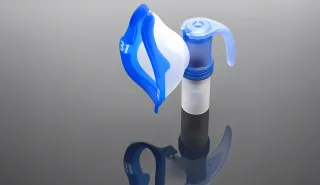
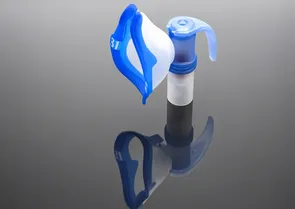
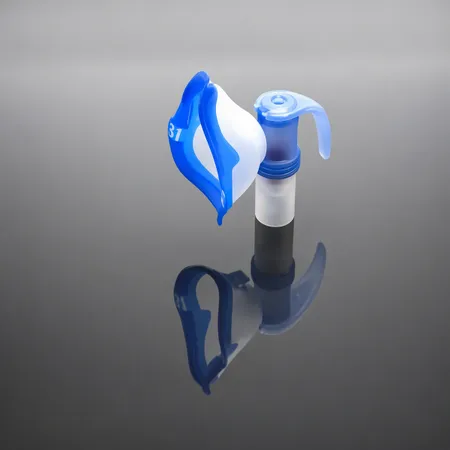
Medical device with soft mask by multi-component injection moulding
Which processes are there in multi-component injection moulding?
With ENGEL combimelt, parts are created that deliberately combine materials and functions. Which process route is right depends on what your product is meant to achieve and how it can be manufactured cost-effectively.
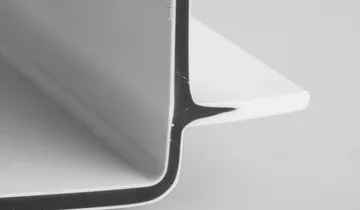
The right machine combination for your multi-component parts
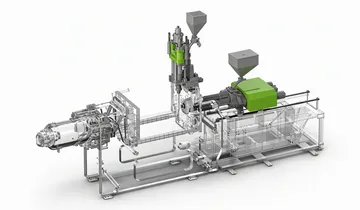
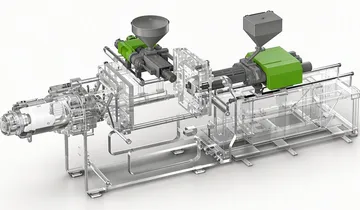
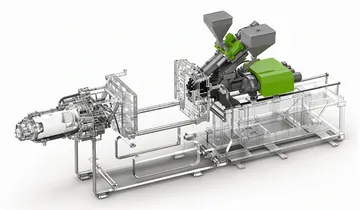
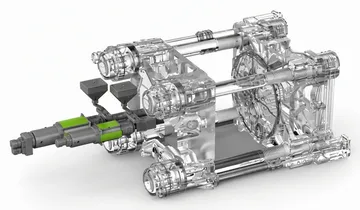
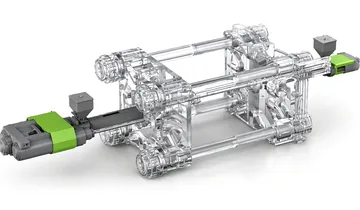
Mould technology for ENGEL combimelt
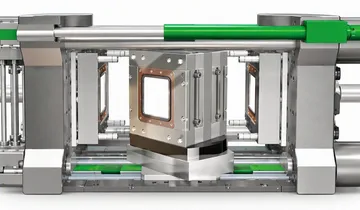
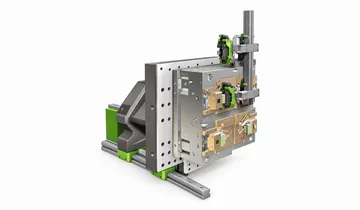
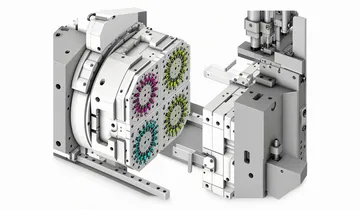
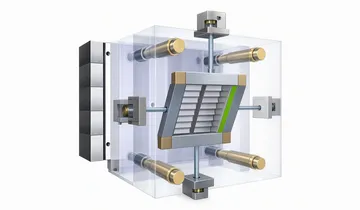
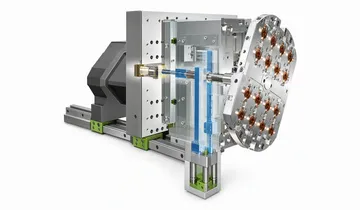
The mould concept determines how the pre-moulded part is made available for the next component. For multi-component injection moulding, options include, depending on the application, core-pull, rotary table, index plate, turning plate or transfer technology. Which solution fits best depends on the part geometry, the material combination and the desired output.
FAQ
In multi-component injection moulding two or more plastic components are processed into one part in a coordinated manufacturing process. The components can differ, for example, in colour, material or function.
ENGEL combimelt comprises ENGEL solutions for multi-component technology. We tailor injection units, machine, mould concept and process to the part and the requirements of your production.
Examples of material combinations are different thermoplastics and hard-soft combinations with elastomers. Whether a combination is suitable for a specific part must be checked with regard to adhesion, processing and requirements for the finished part, among other things.
Yes. Besides 2K injection moulding, we can implement combimelt solutions with up to six injection units. The technically and economically sensible number depends on the part.
This depends above all on geometry, number of components, material pairing, quantity and required process sequence. Core-pull, sliding table, index plate or rotary table are possible concepts. The selection should be made together with application engineering.
This depends, among other things, on geometry, number of components, quantity and desired cycle time. For multi-component injection moulding, ENGEL offers core-pull, rotary table, index plate, turning plate and transfer technology, among others. We select the concept according to your application, rather than presupposing one solution for every part.
With a suitable part design, you can reduce assembly steps with assembly injection moulding. Functions such as soft areas or seals are moulded on directly, and separate assembly steps are no longer required. We will clarify together with you whether this is fully possible for your part.
With multi-component injection moulding soft grip areas, seals, hinges or operating elements, for example, can be created together with a base body. Whether this eliminates separate parts and assembly steps depends on the part design and the materials selected.
Yes, depending on the application, shaping, handling and further steps can be coordinated with one another. In multi-component injection moulding, this can reduce handovers, intermediate stores and downstream assembly. We examine the specific process to determine which steps are actually eliminated and how the throughput time changes.
Yes. Multi-colour injection moulding enables targeted colour contrasts directly in the part, for example for design elements or clearly distinguishable functional areas. The design is laid out together with material selection and mould concept.
That depends on your part. Savings arise in individual parts, assembly and inspection, floor space and throughput time. At the same time, the value of your product increases, for example through sealing function and high-quality haptics. Our experts calculate the potential together with you on your part.
Our combi machines for multi-component injection moulding

What else you might be interested in
-
 ENGEL makes clearmelt systems more flexible and more cost-effective: New machine concept reduces investment costs, footprint and complexity28 May 2026ENGEL has developed a new machine concept for clearmelt systems based on the duo combi M two-platen injection moulding m ...
-
 Battery Innovation Day Dazzles with the ENGEL duo 5500 combi M20 January 2025ENGEL and SABIC, at the St. Valentin technical center during Battery Innovation Day, showcased innovative solutions for ...
-
 Blog
 ENGEL Team17 September 2024Smart Panels - personalised and intuitive driving experience17 September 2024Surfaces with integrated functions are becoming more present in our everyday lives. We ask Michael Fischer, Business Dev ...
-
systems solution
-
automotive and mobility
-
technology
9 minutes -
-
![]() Maximum output on the smallest footprint21 June 2022The plant footprint and energy consumption are increasingly important key efficiency indicators. ENGEL is establishing n ...
-
 Blog
 Susanne Zinckgraf23 December 2021Flexible manufacture of automotive plastic parts23 December 2021Zechmayer GmbH was looking for a solution for a wide range of moulds for a wide variety of injection moulding processes ...
-
automotive and mobility
-
systems solution
-
technology
10 minutes -
-
 Blog
 Wolfgang Kienzl15 June 2021co-injection: Sequential injection moulding for food packaging15 June 2021The ENGEL co-injection process makes it possible to produce a component with skin and core made from different materials ...
-
consultancy
-
technology
-
packaging
8 minutes -
-
 Processing of recyclate by sandwich injection moulding process7 April 2021With skinmelt, it is possible to produce a component with up to 50% recycled core and very good surface quality.
-
 Types of Sandwich Injection Moulding - Functionalities & Applications24 March 2021What are the types, functions and applications of sandwich injection moulding? Find out the answers in the blog post.